


-
i-HEV intelligent hybrid system pairs Atkinson cycle petrol engine with electric drive for efficient, responsive everyday motoring
-
No external charging required, while local DHE and DHT assembly strengthens Malaysia’s electrified powertrain capabilities
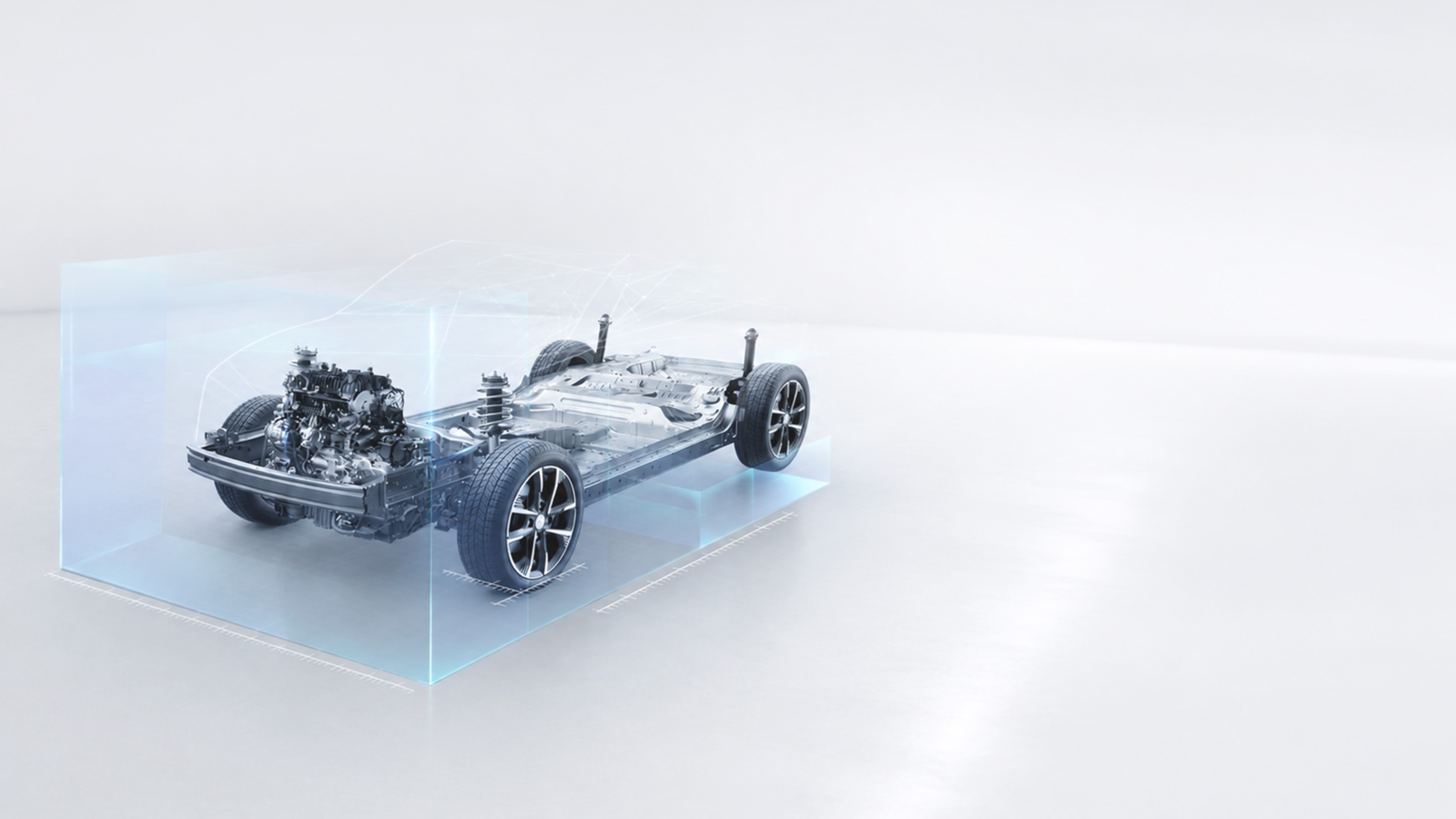
SUBANG JAYA, 10 November 2026 – National automotive manufacturer, PROTON, has today confirmed i-HEV intelligent hybrid system as the official name of its new hybrid technology, which will make its debut in the company’s upcoming model codenamed AMA 02. Bringing together a petrol engine developed specifically for hybrid operation, dual electric motors and intelligent energy management, i-HEV is designed to deliver lower fuel consumption alongside smooth, responsive performance.
The announcement gives PROTON’s next generation of hybrid technology a clear identity following its earlier technology showcase this year at the Kuala Lumpur International Mobility Show and Global Automotive Technology Expo. For Malaysian motorists, its appeal is in the practical deployment of technology where they can experience the quietness and immediate response of electric driving, while retaining the convenience of refuelling without needing to plug in the vehicle.
“Malaysian car buyers want technology that makes their daily journeys easier. With i-HEV, we are bringing together fuel efficiency, responsive performance and the convenience of a hybrid system that requires no external charging. Whether driving through city traffic or travelling home for the holidays, the system manages how petrol and electric power are used so drivers can concentrate on their journey,” said Dato’ Ir. Abdul Rashid Musa, Deputy Chief Executive Officer of PROTON.
A petrol engine purpose built for hybrid efficiency
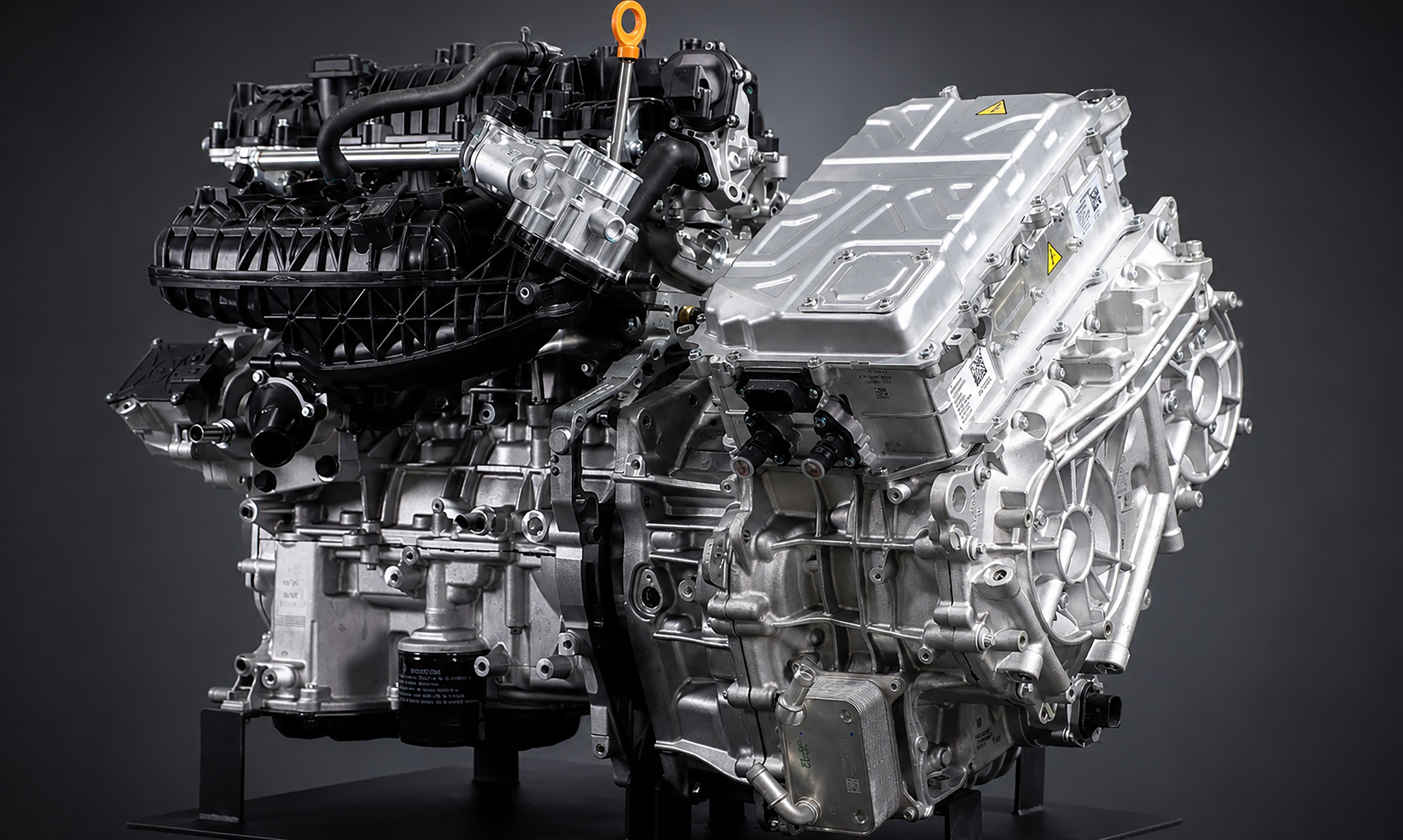
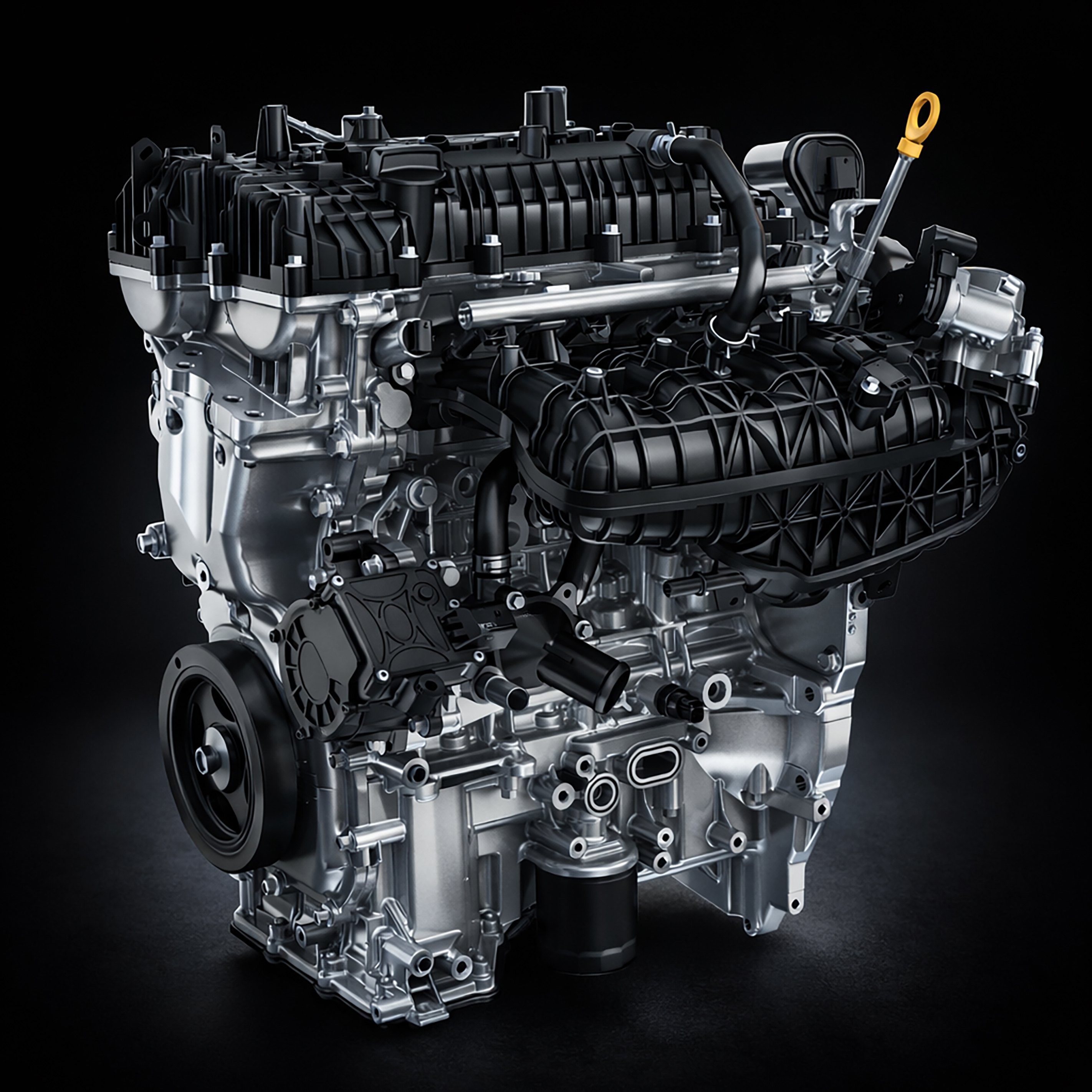
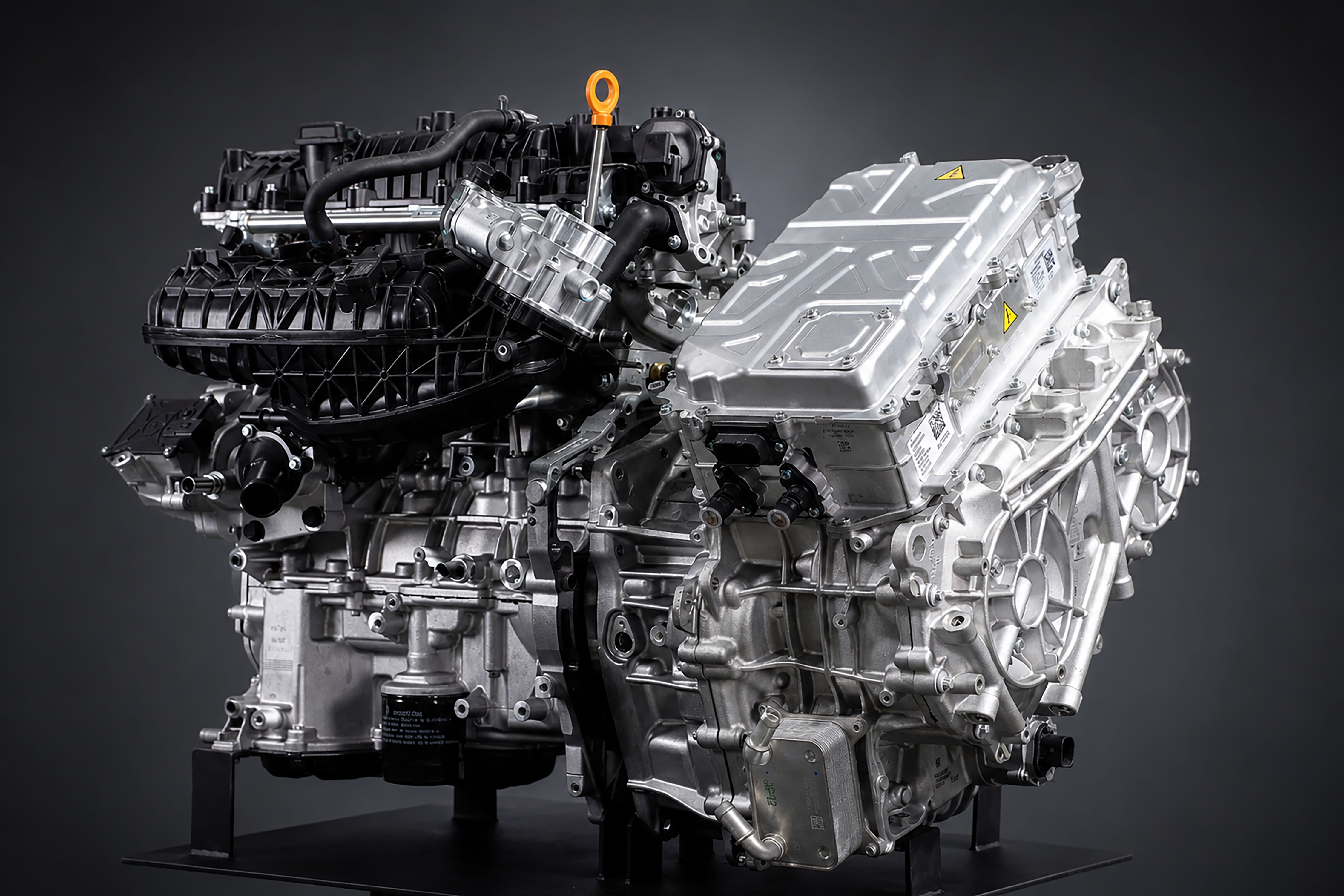
At the heart of i-HEV is a naturally aspirated 1.5-litre Dedicated Hybrid Engine (DHE), producing 111 PS and 136 Nm of torque that at a peak thermal efficiency of 46.5%. Optimised for hybrid applications, the engine is designed to work closely with an electric drive system, allowing each power source to contribute where it is most effective.
For more efficient hybrid operation, the engine deploys an Atkinson cycle combustion operation. Through carefully controlled intake valve timing, the engine achieves an effective expansion ratio greater than its effective compression ratio, allowing the expanding combustion gases to deliver more useful work before they are released through the exhaust, helping extract more energy from each drop of fuel.
In simple terms, the engine prioritises making better use of fuel and to deliver more efficiency. While Atkinson-cycle operation typically trades some engine power density for efficiency, the electric motor provides responsive assistance when moving off or accelerating. The engine and motor therefore complement each other, balancing efficient combustion with the response drivers need in everyday traffic.
Supporting this is a high geometric compression ratio of 14:1, together with water-cooled exhaust gas recirculation (EGR) to optimise combustion and reduce pumping losses. A variable displacement oil pump adjusts oil supply according to demand, while an electric water pump manages coolant circulation as needed. These technologies help reduce the energy consumed by auxiliary systems and support effective engine temperature management.
Intelligent coordination for a smoother drive
PROTON’s i-HEV intelligent hybrid system pairs its engine with a Dedicated Hybrid Transmission (DHT) incorporating two electric motors, known as P1 and P3. The P1 motor starts the engine and generates electricity, while the P3 motor drives the vehicle and recovers energy during deceleration. The main driving motor delivers up to 163 PS and 220 Nm, delivering responsive acceleration when joining traffic, climbing gradients or overtaking.
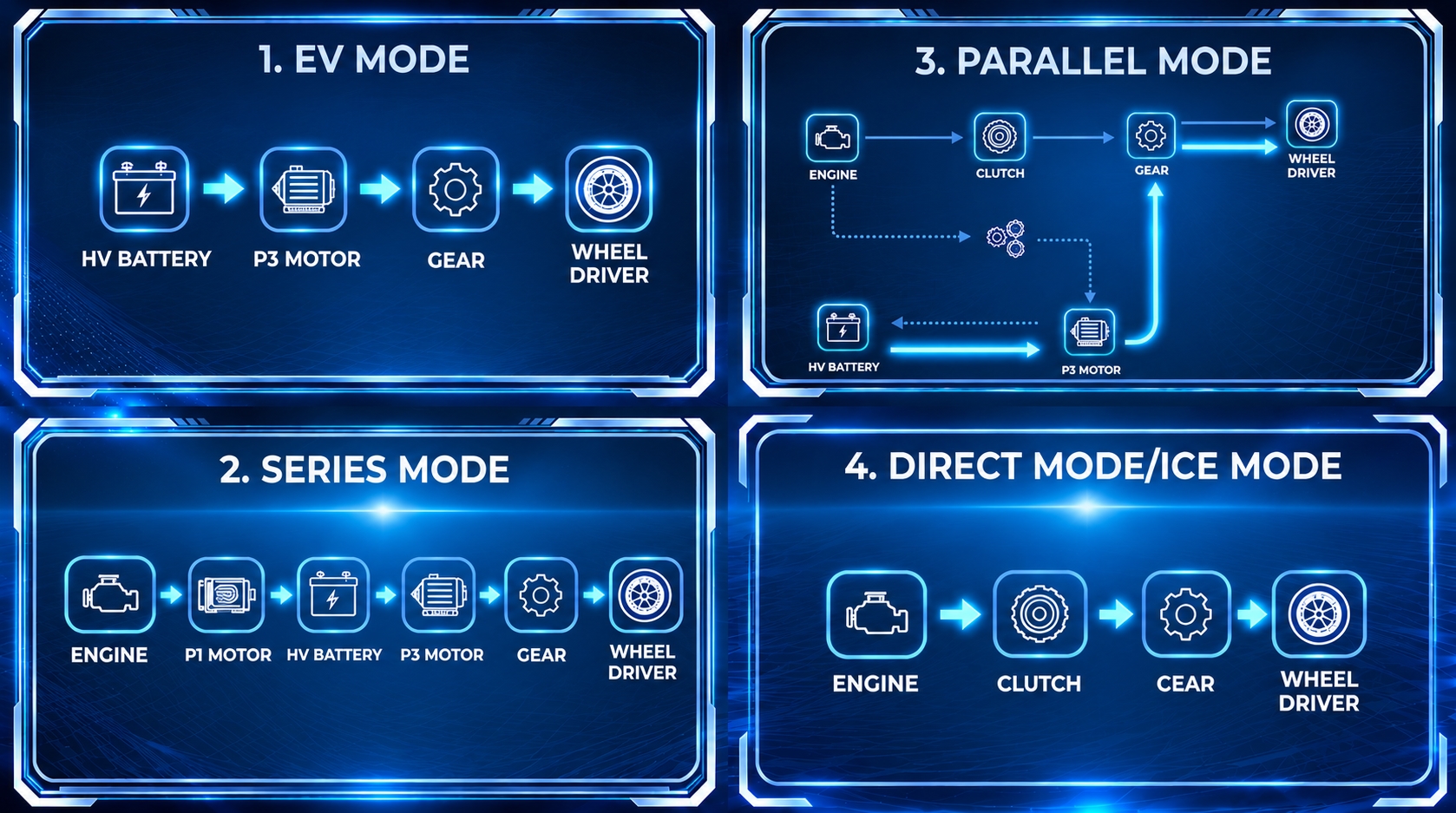
A Power Control Module (PCM) coordinates the engine, motors and battery, automatically selecting between four operating modes according to vehicle speed, power demand and battery condition. This coordination allows the system to adapt its operation to varied driving conditions from congested urban roads to open highways.
In EV Mode, the battery supplies energy to the driving motor and the vehicle moves on electric power alone when conditions permit. Series Mode uses the petrol engine to generate electricity while the electric motor drives the wheels. In Parallel Mode, the engine and driving motor work together to move the vehicle while Direct Drive Mode allows the engine to drive the wheels mechanically when it is more efficient to do so, such as during steady-speed cruising.
Drivers do not need to select these modes manually as the system manages the transitions, providing electric assistance when required and allowing the engine to operate efficiently. The result is a driving experience designed to feel smooth, intuitive and adaptable to all driving scenarios.
Electric driving benefits without plugging in
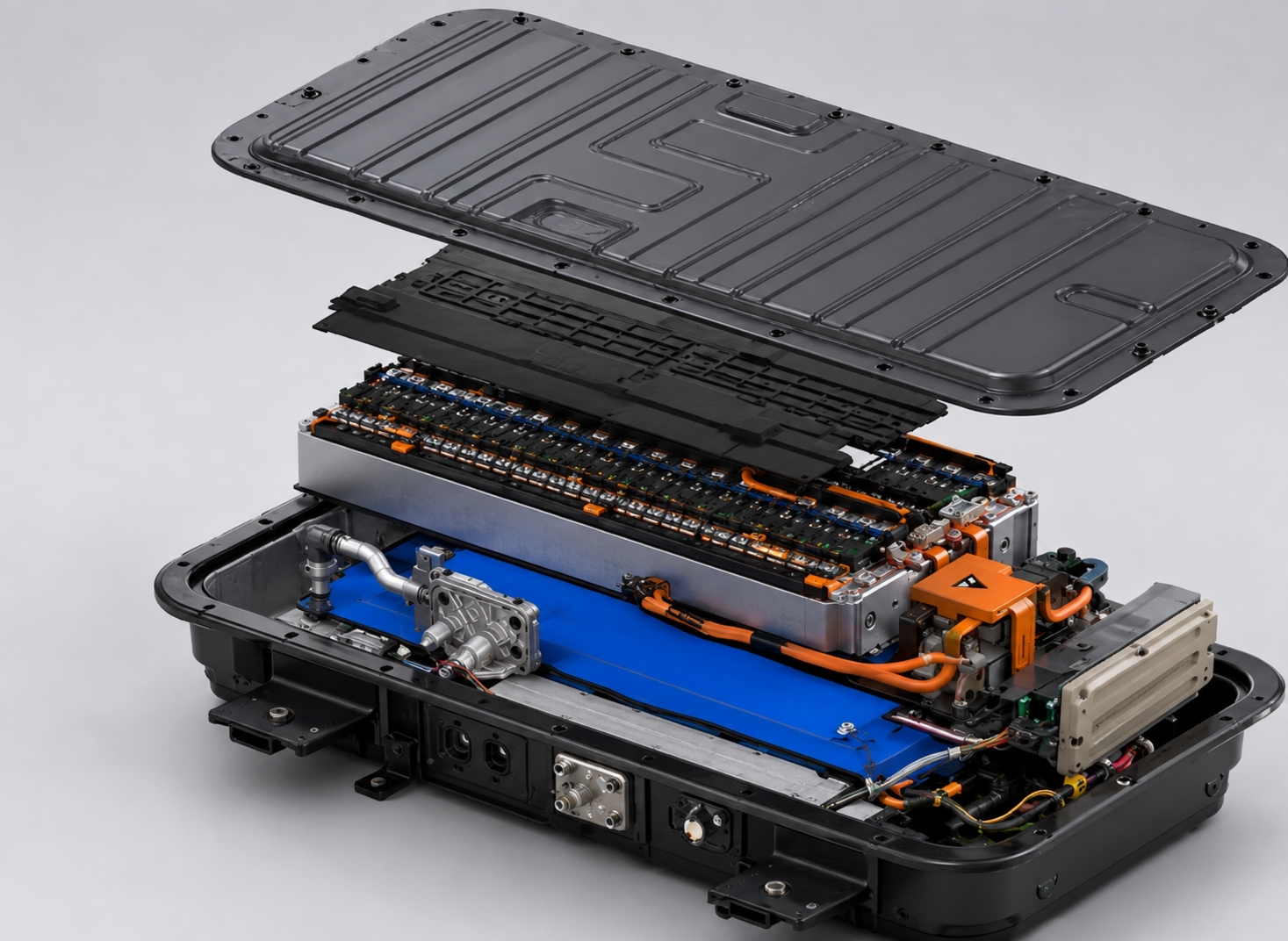
PROTON’s new i-HEV system features a 1.38 kWh battery that stores energy for electric driving and motor assistance. During deceleration, regenerative braking recovers some of the vehicle’s kinetic energy and converts it into electricity for later use. The engine also supplies energy through the generator when required, so external charging is unnecessary.
For motorists without access to home charging, this offers a convenient way to experience electrified driving with zero adaptation required. Just refuel and let the hybrid system manage its battery. In stop-and-go traffic, electric operation can reduce engine running, noise and fuel use, while stored energy supports acceleration when needed so longer journeys are achieved with no range anxiety as drivers can access the existing petrol station network.
Building electrification capabilities in Malaysia
PROTON’s introduction of its i-HEV intelligent hybrid system comes at a time when the company is strengthening its local powertrain capabilities. Along with the production of the Dedicated Hybrid Engine (DHE), its Tanjong Malim operations also locally assembles the Dedicated Hybrid Transmissions (DHT) and Electric Drive Units (EDU), expanding Malaysian participation in core technologies for electrified vehicles. These activities develop local experience in assembly, testing and quality control while supporting the country’s automotive supplier ecosystem.
“With the i-HEV intelligent hybrid system, PROTON’s focus is on delivering benefits customers can understand and experience. Alongside this, building local capabilities in hybrid transmissions and electric drive units helps develop the skills and industrial foundation Malaysia needs to be an active participant and regional hub for the production and development of future vehicle technologies,” added Dato’ Ir. Abdul Rashid Musa.
-End-
PEOPLE ALSO READ
 © 2025 Proton Holdings Berhad (623177-A)


